
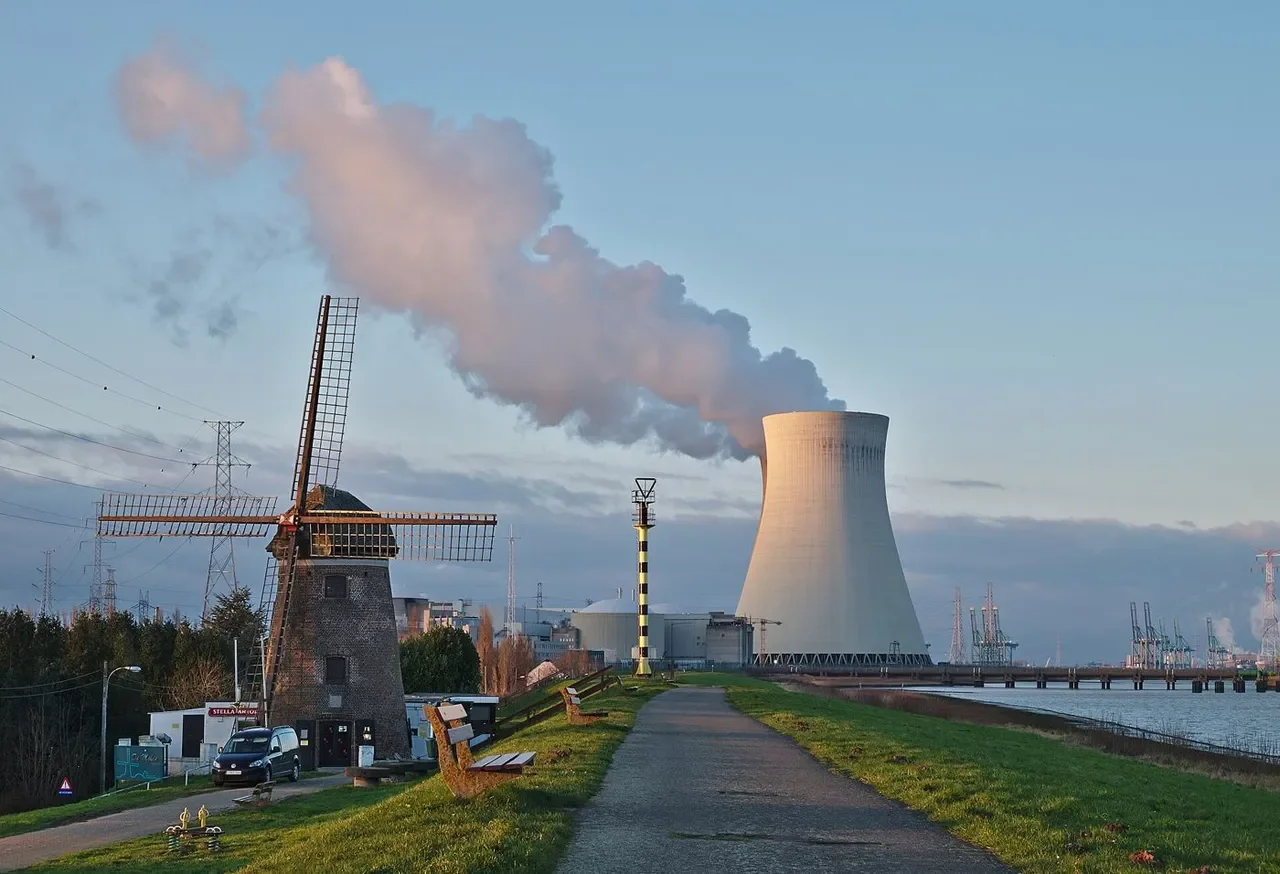
 Artificial intelligence has created an unlikely alliance between technology giants and the nuclear industry. Data centres that train large models consume as much electricity as small cities, and they need it around the clock. Solar and wind alone can’t guarantee that supply, so several firms have signed agreements to restart reactors and to fund small modular reactors (SMRs), factory-built units designed to be cheaper than traditional plants.
Traditional grids were built for predictable industrial and household loads that follow the sun and the clock. AI data centres are different: they run at maximum capacity twenty-four hours a day, seven days a week. Wind and solar are essential for decarbonization, but they need storage or backup generation to cover the gaps when the wind drops or the sun goes down. Battery storage at the scale needed to power a major data centre for days isn’t yet commercially practical everywhere, so tech companies are looking for clean, firm power. That search has led them to nuclear.
A small modular reactor produces roughly a tenth of the output of a conventional plant, but most of its components are built in a factory and shipped to site. Supporters say repetition will push costs down, as it did for aircraft and solar panels. Designs emphasise passive safety: systems that cool the core with gravity and convection even if power fails completely. Reporting from sources such as the International Energy Agency tracks the same trend across global energy markets.
Standardizing reactor modules on an assembly line is a break from the custom-built giants of the twentieth century. Manufacturers hope it will avoid the cost overruns and delays that plagued past nuclear projects. A factory allows tighter quality control, robotic welding and simpler inspections than a muddy construction site in a remote place. The smaller footprint also opens up new siting options, such as next to industrial parks, retired coal plants or major technology facilities, which would cut transmission losses.
There are real hurdles. No Western SMR has yet operated commercially, and the one American project once seen as a frontrunner was cancelled after costs rose. Licensing a new reactor design takes years, fuel supply chains are thin, and communities reasonably ask hard questions about waste and siting. Energy historians note that nuclear projects have a long record of arriving late and over budget. Sceptics add that pilot projects often succeed precisely because they are small and closely watched, and that scaling up brings logistical problems that lab results don’t predict.
Regulation adds more time. Nuclear safety authorities work under strict mandates, so licensing a novel design is meticulous and slow, with every component, material grade and failure scenario simulated and reviewed before construction starts. That rigor is appropriate given the stakes, but it makes commercial timelines easy to disrupt. Many advanced designs also need specialized fuel such as high-assay low-enriched uranium, which has a very limited commercial supply chain.
Most analysts expect data-centre power to come from a mix: renewables where they’re cheap, grid upgrades, gas as a bridge in some regions, and nuclear where politics and prices allow. The significance of the current deals is less the first reactors themselves than the signal to supply chains that a market exists. Whether that signal survives contact with construction costs will decide if this is a renaissance or another false dawn.